
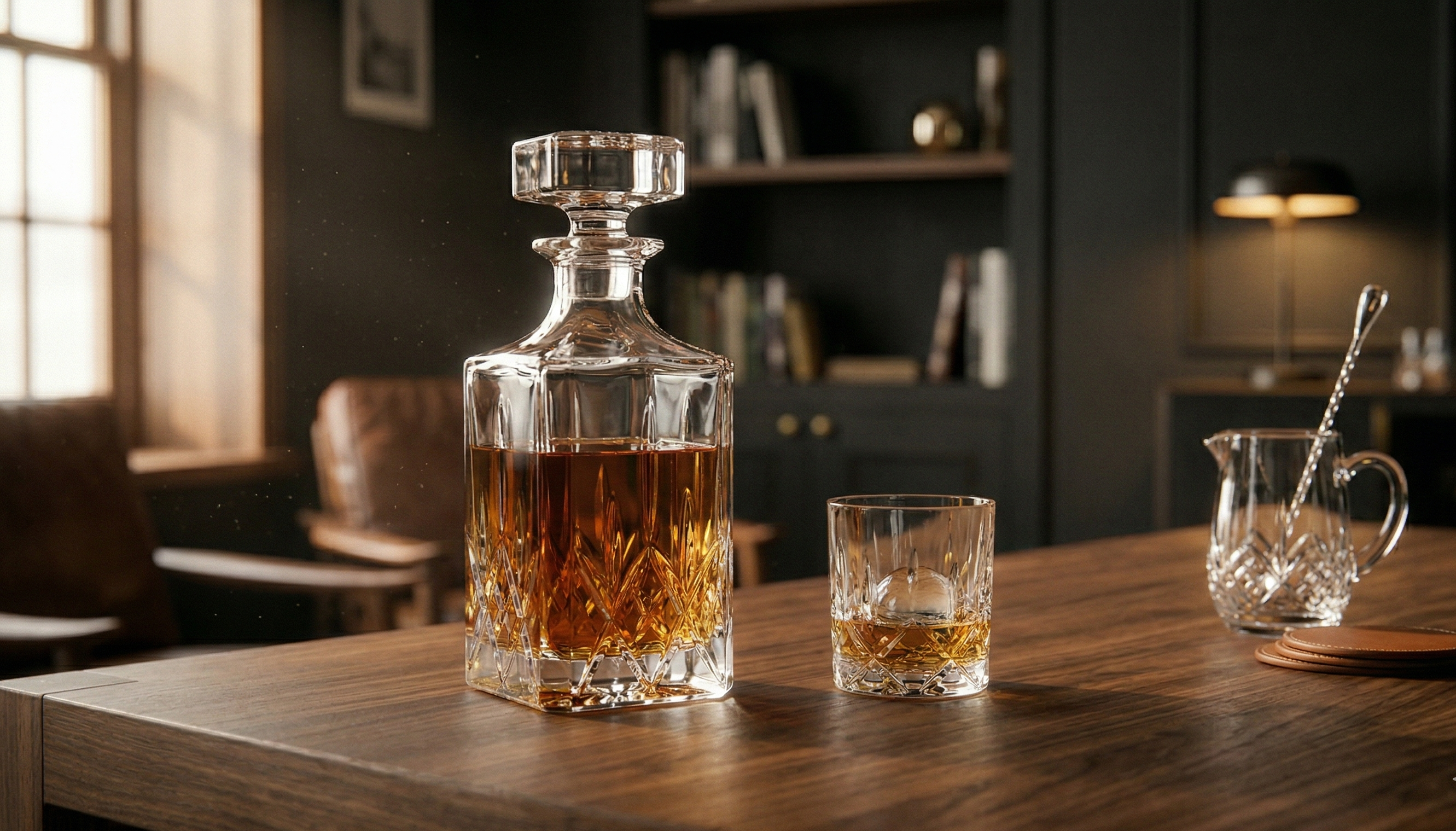
For centuries, whiskey was used as a remedy before it became a ritual. Monks, physicians, and frontier doctors all kept it close. That history is not coincidence.
Modern research has started to explain what older traditions seemed to understand intuitively: consumed in moderation, whiskey carries compounds that may genuinely support your health. The keyword, always, is moderation.
What Science Says About Whiskey in Moderation
Whiskey is not a health supplement. No serious researcher is suggesting you pour a dram instead of taking your vitamins. But the evidence around moderate alcohol consumption, and whiskey specifically, is more nuanced than the headlines suggest.
-
Antioxidants worth paying attention to
Whiskey contains ellagic acid, a polyphenol antioxidant also found in fruits and nuts. Antioxidants help the body neutralize free radicals, which are unstable molecules linked to cellular aging and inflammation. The concentration of ellagic acid in whiskey is notably high compared to other spirits, particularly in aged expressions that have spent time in oak barrels.

-
Cardiovascular research and moderate drinking
Multiple long-term studies have examined the relationship between moderate alcohol consumption and heart health. Some research suggests that light to moderate drinkers show lower rates of certain cardiovascular events compared to non-drinkers, though researchers are careful to note that this is associative, not causal. The American Heart Association does not recommend drinking for heart health, and that position deserves respect. What the research does suggest is that moderate consumption is not the risk that heavy drinking clearly is.
-
Blood sugar and insulin response
Some studies have found that moderate whiskey consumption may improve the body's sensitivity to insulin. This is an area of ongoing research, not settled science, but it adds to a broader picture of whiskey as a drink that behaves differently in the body than sugary cocktails or beer. Whiskey contains no carbohydrates or sugar in its pure form, which makes it a cleaner choice for those watching intake.
-
Stress reduction and the nervous system
A small amount of whiskey has a mild sedative effect on the central nervous system. This is not unique to whiskey, but the ritual around it may be. Sitting down intentionally, pouring a measured amount, and drinking slowly engages a kind of mindful deceleration that is genuinely good for stress levels. The act itself becomes part of the benefit.
The Part Nobody Talks About: How You Drink Matters as Much as What You Drink
Here is what most health articles miss entirely. The benefits associated with moderate whiskey consumption depend entirely on the word moderate. Pouring a heavy glass while distracted is not the same experience as a single, intentional pour at the end of a long day.
The ritual matters. It changes your relationship with the drink.

-
Slowing down is the actual mechanism
When you pour from a quality decanter, set it down, and sit with a single glass, you are almost certainly drinking less and enjoying it more. The pace is different. You are not refilling mindlessly. That behavioral shift is where most of the benefit lives, not in the compound profile of the whiskey itself.
-
The vessel signals intention
There is a reason experienced whiskey drinkers gravitate toward proper glassware and a proper pour. It is not pretension. It is psychology. A well-crafted lead-free whiskey decanter sitting on your bar cart does something a bottle on a shelf does not. It frames the drink as an occasion. That framing naturally regulates how much you pour and how fast you drink it.
-
Learning to pour with intention
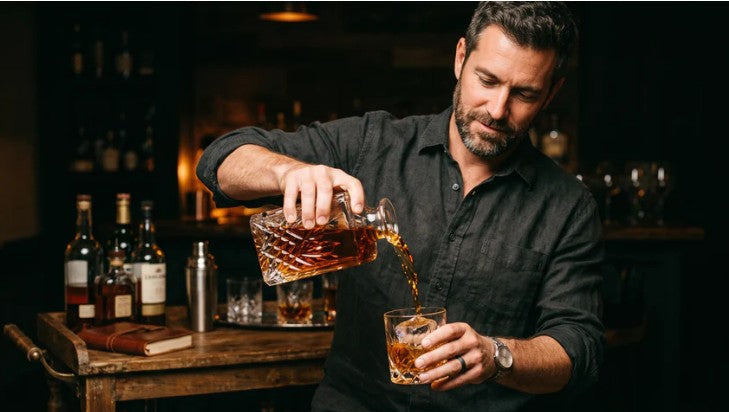
If you have never thought much about the mechanics of serving whiskey properly, it is worth understanding. The angle, the pace, the glass you choose all affect the experience. A good primer on how to pour from a globe decanter covers the basics and makes the ritual feel deliberate rather than habitual.
How Much Is Actually Moderate
This question gets asked constantly and deserves a straight answer.
Most health guidelines define moderate drinking as one standard drink per day for women and up to two for men. In whiskey terms, one standard drink is 1.5 ounces, which is a single measured pour, not a generous home pour.
The gap between what guidelines define as moderate and what most people actually pour at home is significant. This is another reason the ritual and the vessel matter. A decanter with a proper stopper and a measured pour is a practical tool for staying within a range that research suggests is genuinely different from heavy consumption.
The Right Way to Think About It
Whiskey is not medicine. It is not a substitute for exercise, sleep, or a decent diet. Anyone suggesting otherwise is selling something.
What whiskey can be, when chosen well and enjoyed deliberately, is one of the few pleasures that carries both a rich cultural tradition and a body of research suggesting it does not actively work against you when consumed with some restraint and intention.
For the whiskey lover in your life, or for your own bar cart, the vessel you choose is part of that story. A luxury whiskey decanter set is not just an aesthetic choice. It is a signal that the drink deserves to be taken seriously, poured carefully, and enjoyed the way it was meant to be.
That is a better gift than a bottle. And a better habit than most.
FAQ
Is whiskey actually good for you?
Whiskey consumed in moderation contains antioxidants like ellagic acid and has been studied in relation to cardiovascular health and blood sugar response. It is not a health drink, but moderate consumption is meaningfully different from heavy drinking in terms of health outcomes.
What antioxidants are found in whiskey?
The primary antioxidant in whiskey is ellagic acid, a polyphenol that forms during the aging process as whiskey interacts with oak barrels. It is the same compound found in raspberries, pomegranates, and walnuts.
How much whiskey per day is considered moderate?
Health guidelines generally define moderate drinking as one standard drink per day for women and up to two for men. One standard drink equals 1.5 ounces of whiskey, which is a single measured pour.
Does drinking whiskey from a decanter affect the experience?
A decanter does not chemically alter whiskey the way it can with wine, but it changes the experience significantly. It frames the drink as intentional, naturally regulates pour size, and removes the label-reading habit that can distract from the sensory experience itself.

Share:
Are Whiskey Decanters Safe? Lead Crystal vs. Lead-Free Explained
What Makes a Good Whiskey Decanter? The 6 Things to Check Before You Buy